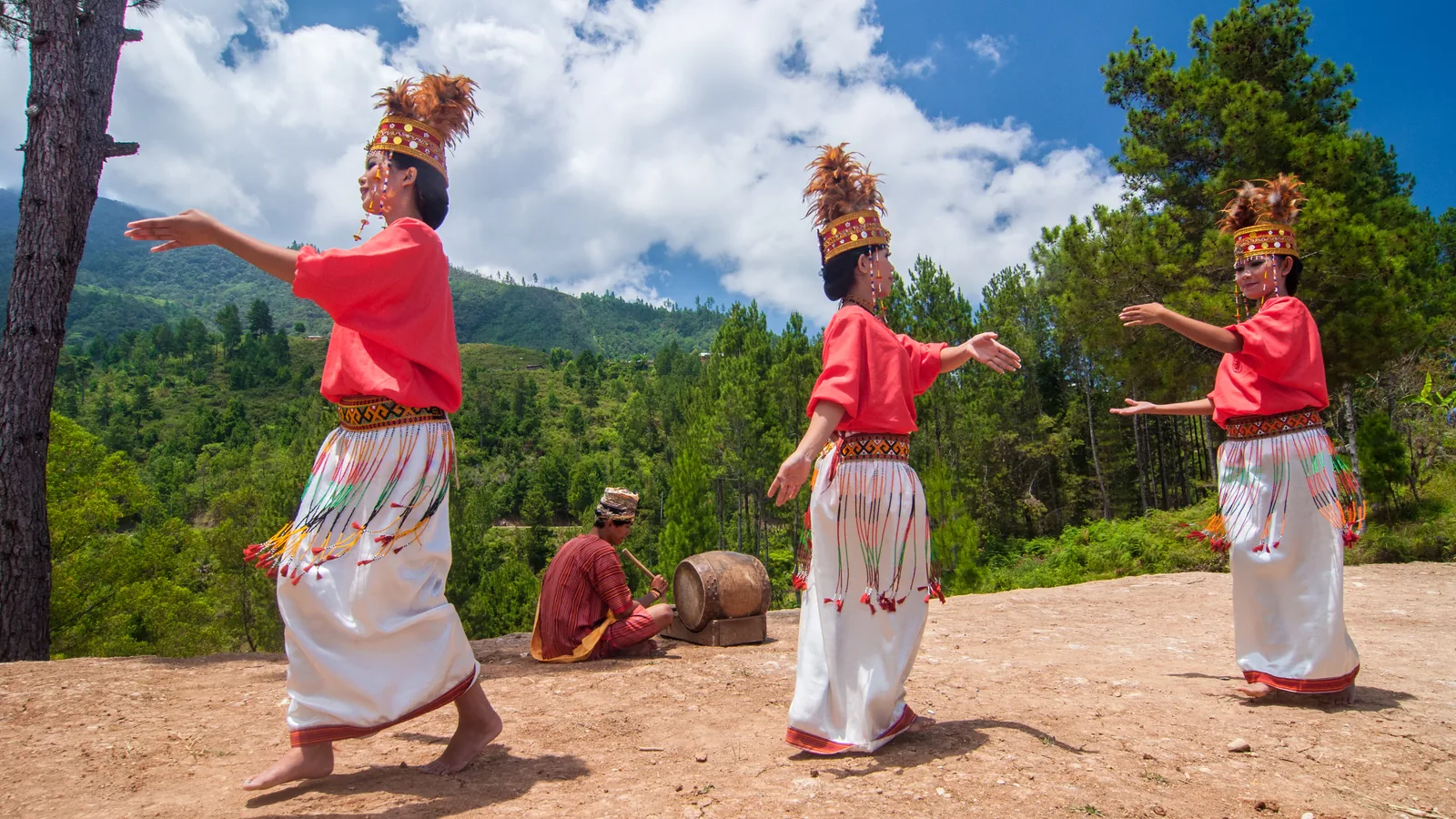
Toraja can be visited year-round. The main trade-off is drier walking conditions versus greener rice terraces and afternoon rain. This guide explains what each part of the year is like on the ground, and why no honest operator can promise you will see a ceremony.
In this article, you will find a month-by-month overview, a comparison of wet and dry conditions for walks and roads, and an explanation of what you will see in the rice fields. We also cover how ceremonies really work, when holiday demand peaks, and tips for planning your dates with a local guide.
Key Takeaways
- Drier months make trails and roads easier to navigate, allowing for safer and more comfortable walking experiences while exploring Toraja’s traditional villages and rice terraces.
- Wetter months bring lush, vibrant green landscapes perfect for photography, with rain usually in the afternoon making mornings ideal for outdoor activities.
- Funeral ceremonies in Toraja are family events set by local customs, not a tourist calendar, and require respectful attendance as sacred cultural occasions.
- Holiday periods, especially December-January and July-September, see higher accommodation demand in Rantepao, so booking early is essential.
- Hiring a local guide is recommended to understand cultural nuances, navigate remote areas, and get updates on ceremonies and travel conditions during your visit.
Short Answer by Month
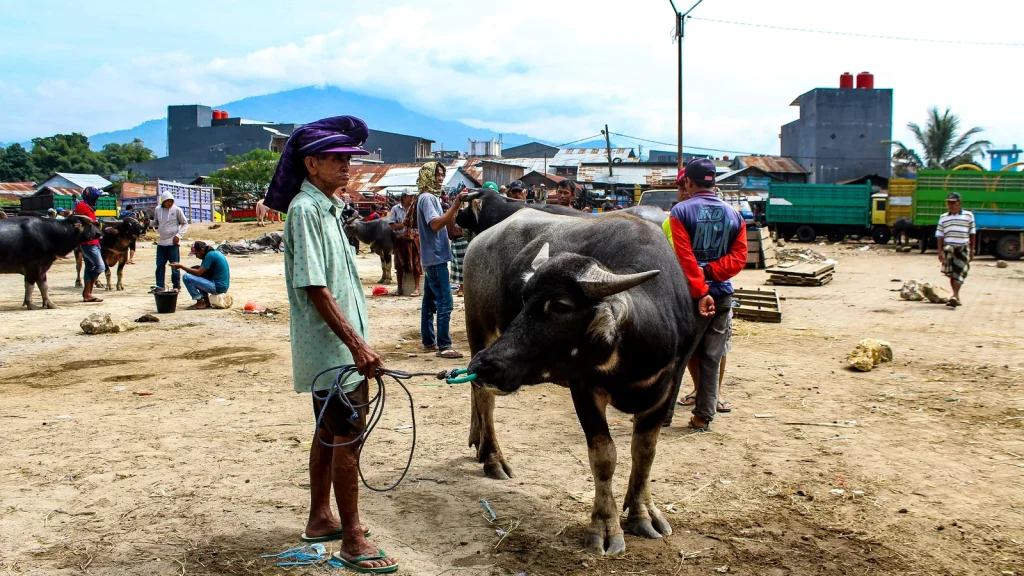
The table below gives a general picture of each month. Conditions vary from year to year and from village to village, so treat it as a planning guide rather than a forecast.
| Month | Season | Rain and trails | Roads | Crowds and notes |
|---|---|---|---|---|
| January | Wet | Frequent rain, muddy trails | Some remote roads difficult | Holiday period; quiet after early January |
| February | Wet | Frequent rain, muddy trails | Some remote roads difficult | Quiet, lush scenery |
| March | Wet | Rain easing toward the end of the month | Main roads open | Quiet |
| April | Shoulder | Fewer rainy days | Passable | Fewer tourists, reasonable prices |
| May | Shoulder | Mostly drier walking | Passable | Coffee harvest active |
| June | Shoulder | Mostly drier walking | Passable | Coffee harvest active; demand rising |
| July | Dry | Most reliable dry spell | Passable | Busiest period; weekends fill up |
| August | Dry | Most reliable dry spell | Passable | Busiest period; weekends fill up |
| September | Dry | Dry, with first signs of change late in the month | Passable | Still busy |
| October | Wet begins | More frequent rain | Passable; some remote roads may suffer | Quieter |
| November | Wet | Frequent rain | Some remote roads difficult | Quiet |
| December | Wet | Frequent rain, muddy trails | Some remote roads difficult | Holiday demand rises |
Wet vs. Dry: What It Means for Walks and Roads
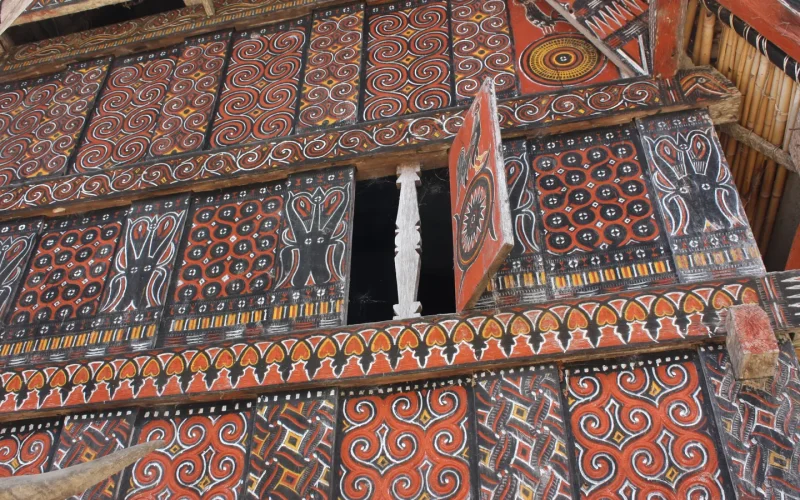
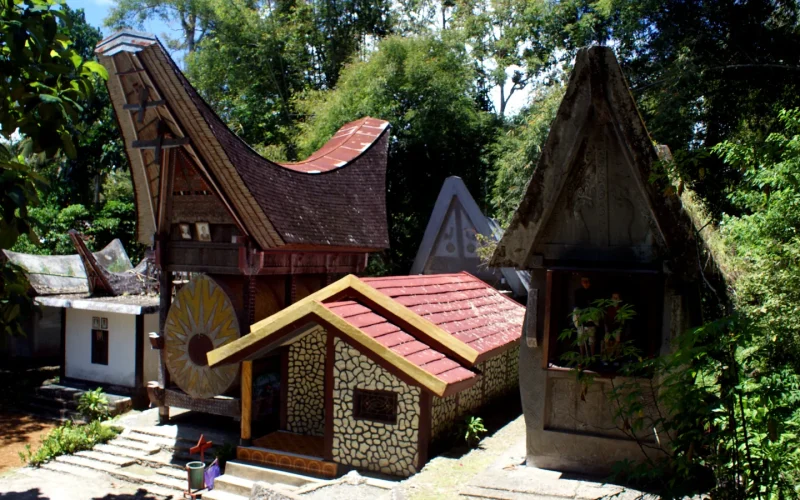
The difference between the seasons is not about whether Toraja is open, because it always is. It is about what kind of walking and scenery you prefer in tana toraja, where the landscape includes highlands, rice terraces, and traditional tongkonan houses shaped by local culture.
Beyond walks, Tana Toraja also offers trekking, visits to burial sites, and chances to learn about local traditions.
Dry Months: Easier Walking
From roughly April to September, roads are passable and highland treks are feasible without constant rain gear. Trails around Batutumonga and the rice terraces are firmer, which makes longer walks more comfortable. The trade-off is that the busiest weeks, especially July to September, bring more visitors and tighter availability.
Wet Months: Green and Quiet
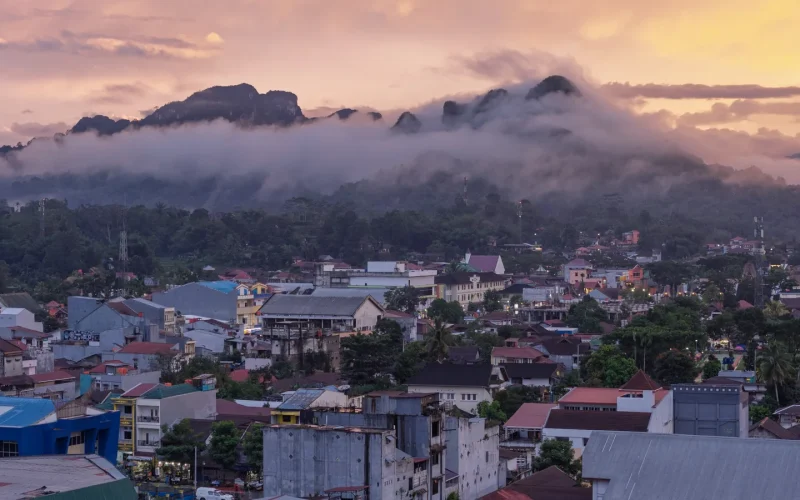
From roughly October to March, rain is more frequent across South Sulawesi, often arriving in the afternoon. The landscape turns lush and dramatically green, and the highlands can feel cool early and late in the day, while fewer tourists mean a quieter, more personal experience. Some remote roads can become difficult in heavy rain, but the main sites remain accessible. Starting walks early in the day and keeping your schedule flexible works well.
Read more: Toraja Funeral Ceremony Tour: What to Expect and How to Visit Respectfully
Rice Terraces Stages and What You’ll See
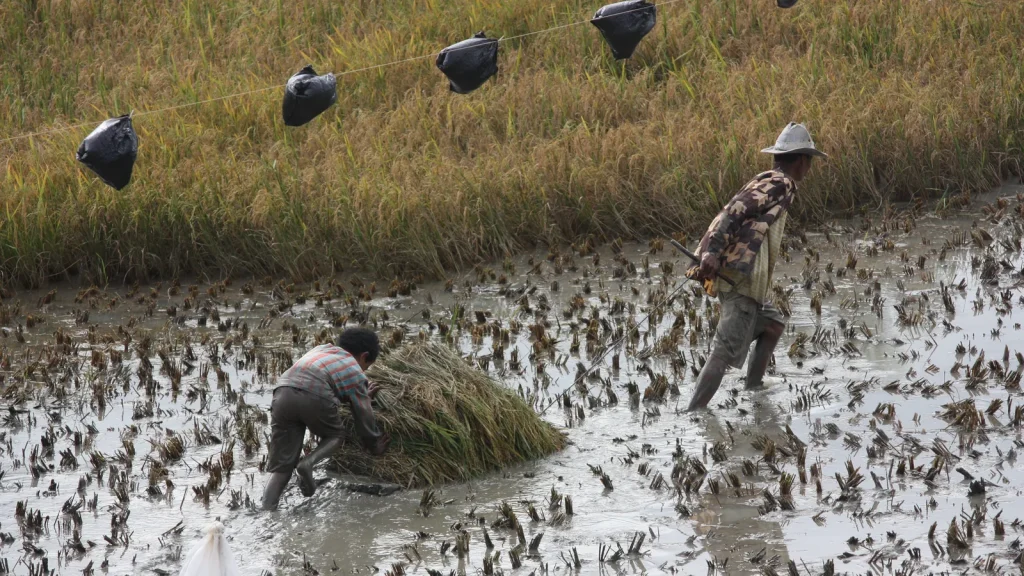
Toraja’s terraces change through the farming cycle, and each stage looks different. Freshly planted fields appear as bright, shallow mirrors of sky, growing fields turn a deep emerald green, ripening fields shift toward gold, and harvested plots look open and earthy. Because planting and harvest timing varies by village and irrigation, different valleys can show different stages at the same time. Ask your guide which areas look best during your travel week.
Why Funeral Ceremonies Are Family Events, Not a Tourist Calendar
Tana Toraja is the highland region known for elaborate Rambu Solo funeral ceremonies, and these Toraja funerals are held by families, not by tour operators. Many take place in the drier months, often after the rice harvest season when extended relatives can travel home more easily, and some also occur around Christmas and New Year for Christian Torajan families. Even so, there is no published schedule that a visitor can book against. In daily life, these gatherings can last 4–5 days and commonly involve shared food and feasting. The five points below explain how to approach this honestly.
1. Understand Who Sets the Dates
Each family decides when a ceremony takes place, often after long preparation and with limited advance notice. In toraja culture, the toraja people draw on older animist beliefs as well as Christianity, and many see these rites as marking the transition after death. Some toraja people believe the soul remains present until the body decomposes, which helps explain why timing can be delayed. This means dates can change and cannot be arranged for tourists. Anyone promising a guaranteed ceremony is not being straightforward.
2. Treat Any Ceremony as a Bonus
If your trip happens to coincide with a ceremony and the family welcomes visitors, it can be a meaningful experience. Plan the rest of your itinerary so the trip is rewarding even if it does not happen. That approach keeps expectations realistic.
3. Ask Guides Honest Questions
Hiring a local guide is the best way to understand Torajan customs, navigate cultural events respectfully, and learn what may be happening in the community during your travel week, including whether the host family welcomes respectful guests. A reliable guide will tell you what is likely, what is uncertain, and what is not possible, and can also explain advice shared by locals.
4. Keep Your Itinerary Flexible
A few open days make it easier to respond if an invitation comes up. Rigid schedules make that harder. Flexibility also helps with weather changes in the wet months.
5. Follow Respectful Etiquette
Dress modestly, ask before taking photos, and follow your guide’s lead. Ceremonies are family events and sacred occasions, not performances. You can read more in our guide to respectful ceremony attendance.
Holiday Periods and Accommodation Demand
December and January fall within the Indonesian school holiday period, so domestic tourism picks up and accommodation in Rantepao, the main town and usual base for exploring Tana Toraja, becomes busier. July to September also sees strong demand, particularly at weekends, and both hotels and small hotels can fill up in these months as well as during holiday periods.
Booking early secures better choices in both periods, while quieter months generally give you more flexibility on dates and room options. If you are still deciding how long to stay, our guide on how many days you need in Toraja can help you plan, and while accommodation is also available in Makale and other places, Rantepao is usually the most convenient base.
Season-Specific Packing
What you pack depends on when you travel. Dry-season trips need sun protection and comfortable walking shoes, while wet-season trips need a light rain jacket and shoes with good grip for muddy trails. For a full list, see our packing and weather guide.
Planning Dates? Ask a Local Guide
Planning dates? Tana Toraja lies about 320 kilometers north of Makassar. Ask a local guide what conditions to expect that week. Share your travel dates with the team at Tour Toraja and get honest, on-the-ground advice about weather, trails, rice fields, and accommodation before you book. From Makassar, flights take 1–2 hours, while going by car takes over 8 hours. Bus trips to Rantepao usually take 9–10 hours. The airport opened in 2020, and you can rent a motorbike in Rantepao for around 100,000 rupiah per day for independent exploration.
Frequently Asked Questions
When is the best time to visit Toraja?
It depends on your priorities. Drier months make walking and driving easier, while wetter months offer greener terraces and fewer visitors, and August is particularly good for witnessing funerals. The Ma’nene ceremony, an ancient tradition, is held every three years in August.
Is Toraja worth visiting in the rainy season?
Yes. Rain is more frequent, often in the afternoon, but the main sites stay accessible and the scenery is lush.
Can I book a funeral ceremony for my trip?
No. Ceremonies are organized by families, so dates cannot be scheduled for visitors, and no operator can honestly guarantee attendance.
When is Toraja most crowded?
July to September, especially on weekends, and during the December and January holiday period.
What should I pack for Toraja?
Pack for the season: sun protection and walking shoes for dry months, and a rain jacket and grippy footwear for wet months.
Travel times, flight schedules, opening conditions, ceremony dates and prices change. Confirm the details that matter to your trip when you enquire.