Replies within 24 hours · WITA (UTC+8) Rantepao, Tana Toraja, South Sulawesi
English · Indonesian · Toraja [email protected] +62 811-3941-4563
Sa’dan Toraja cultural traditions in South Sulawesi

Cultural Tour

Tana Toraja Cultural Tour

Ceremonies, Villages & Burial Sites

Tana Toraja Cultural Tour is the core of what makes a Toraja visit worthwhile. This tour immerses you in the living traditions of the Sa’dan Toraja people — a highland culture in South Sulawesi that has preserved its Aluk Todolo belief system, funeral and agricultural ceremonies, clan-based social structure, and distinctive architecture for generations.

Kete Kesu

The most visited heritage village in Tana Toraja

100+

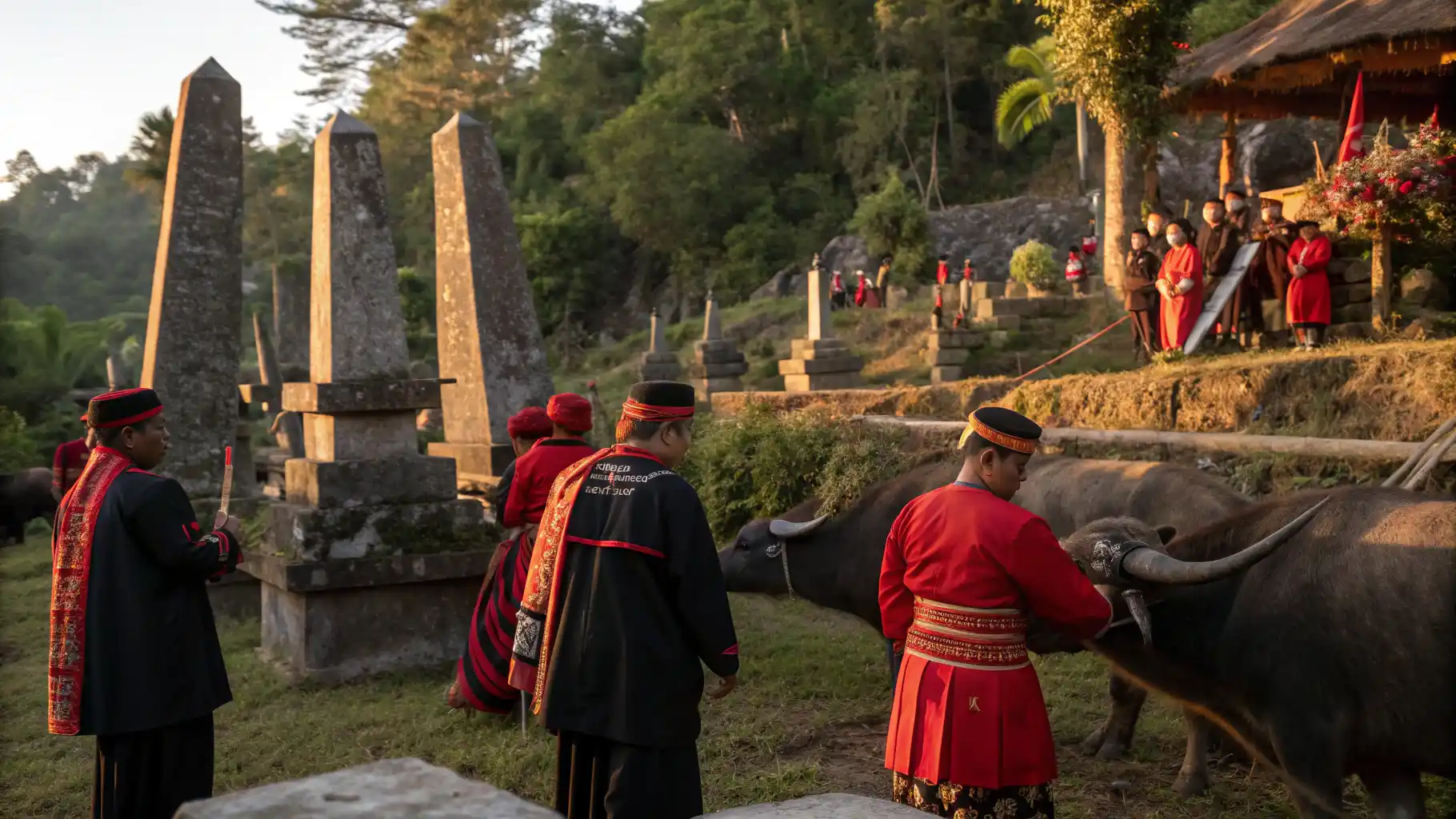
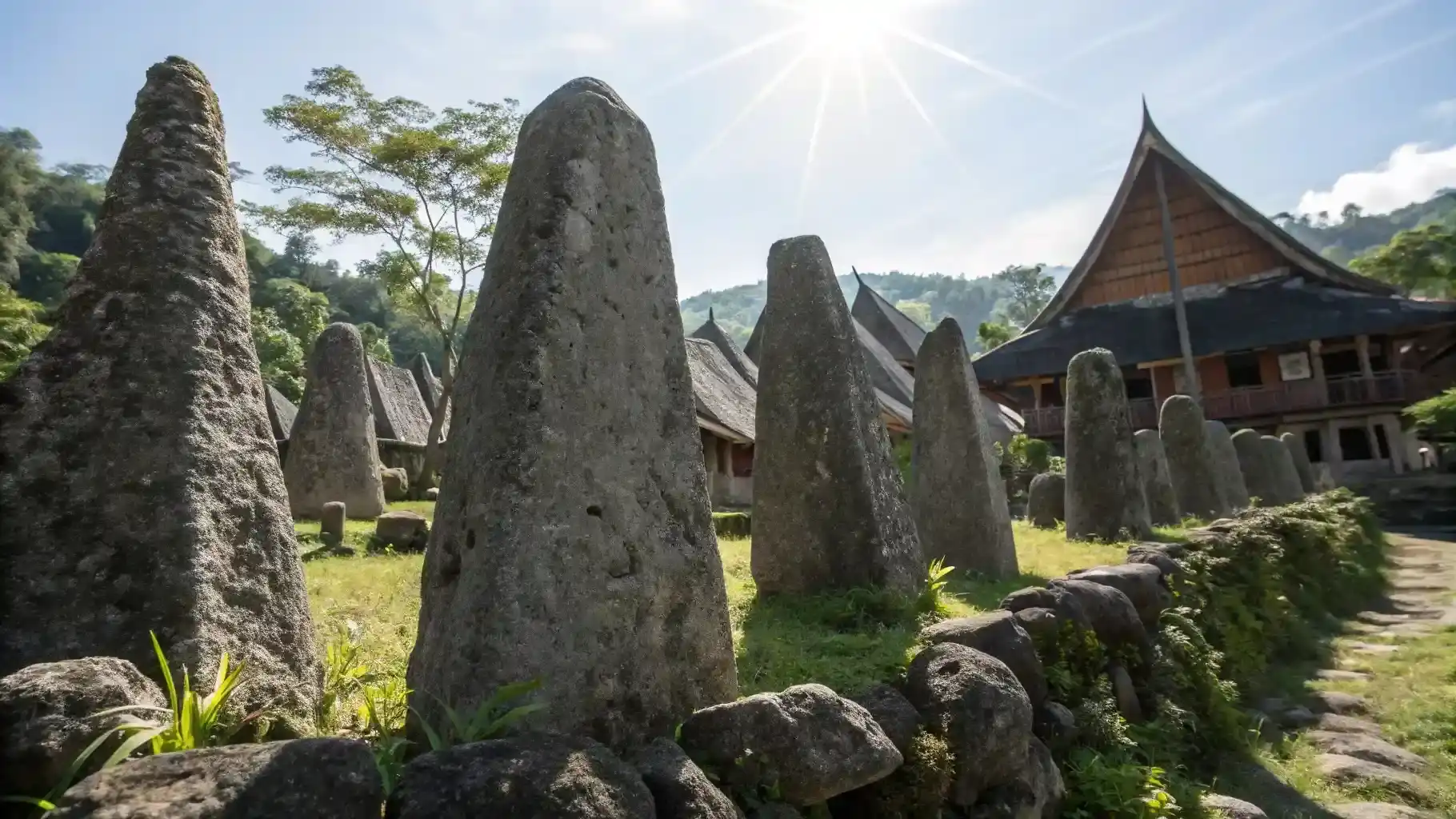
Menhir standing in the Bori Kalimbuang field

1,400 m

Batutumonga highland viewpoint

Private

All cultural tours are private and guided

Ceremony visits depend on timing and the hosts’ consent; attendance cannot be guaranteed. Ceremonies are not fixed tourist attractions.

In Short

Tana Toraja Cultural Tour is the core of what makes a Toraja visit worthwhile.

  • Aluk Todolo — literally “The Way of the Ancestors” — is the traditional animist and ancestral belief system of the Toraja people.
  • A Toraja funeral is simultaneously a Christian or Muslim religious event and an expression of ancestral custom — the two coexist, not in contradiction, but as layers of Toraja identity.
  • All cultural tours are private, guided, and tailored to your travel dates and group size. Prices on request.

Belief System

What Is the Aluk Todolo Belief System?

Aluk Todolo — literally “The Way of the Ancestors” — is the traditional animist and ancestral belief system of the Toraja people. It divides the cosmos into two domains: the world of the living (associated with the east and rising sun) and the realm of the ancestors and deceased (associated with the west and setting sun). This division shapes everything from house orientation to ceremony timing to where burial sites are positioned on a hillside.

Most Toraja people today identify as Christian (following Dutch colonial-era missionary work) or Muslim, yet Aluk Todolo practices remain deeply embedded in ceremony, social obligation, and cultural identity. A Toraja funeral is simultaneously a Christian or Muslim religious event and an expression of ancestral custom — the two coexist, not in contradiction, but as layers of Toraja identity.

  • The world of the living Associated with the east and rising sun
  • The realm of the ancestors Associated with the west and setting sun

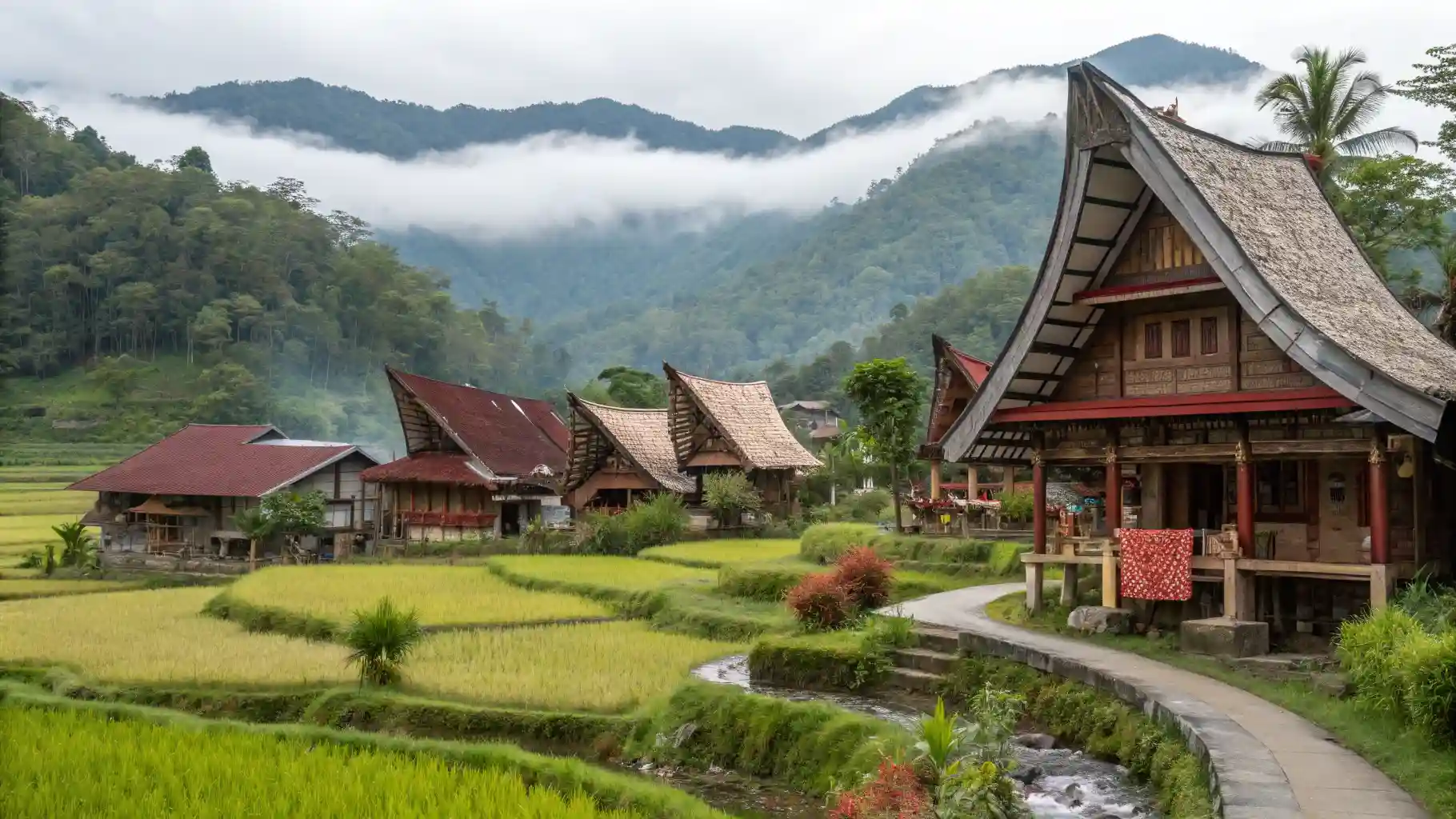
Tongkonan houses oriented according to Aluk Todolo cosmology

Aluk Todolo · “The Way Of The Ancestors”

Key Cultural Sites

Key Cultural Sites on a Tana Toraja Cultural Tour

Kete Kesu

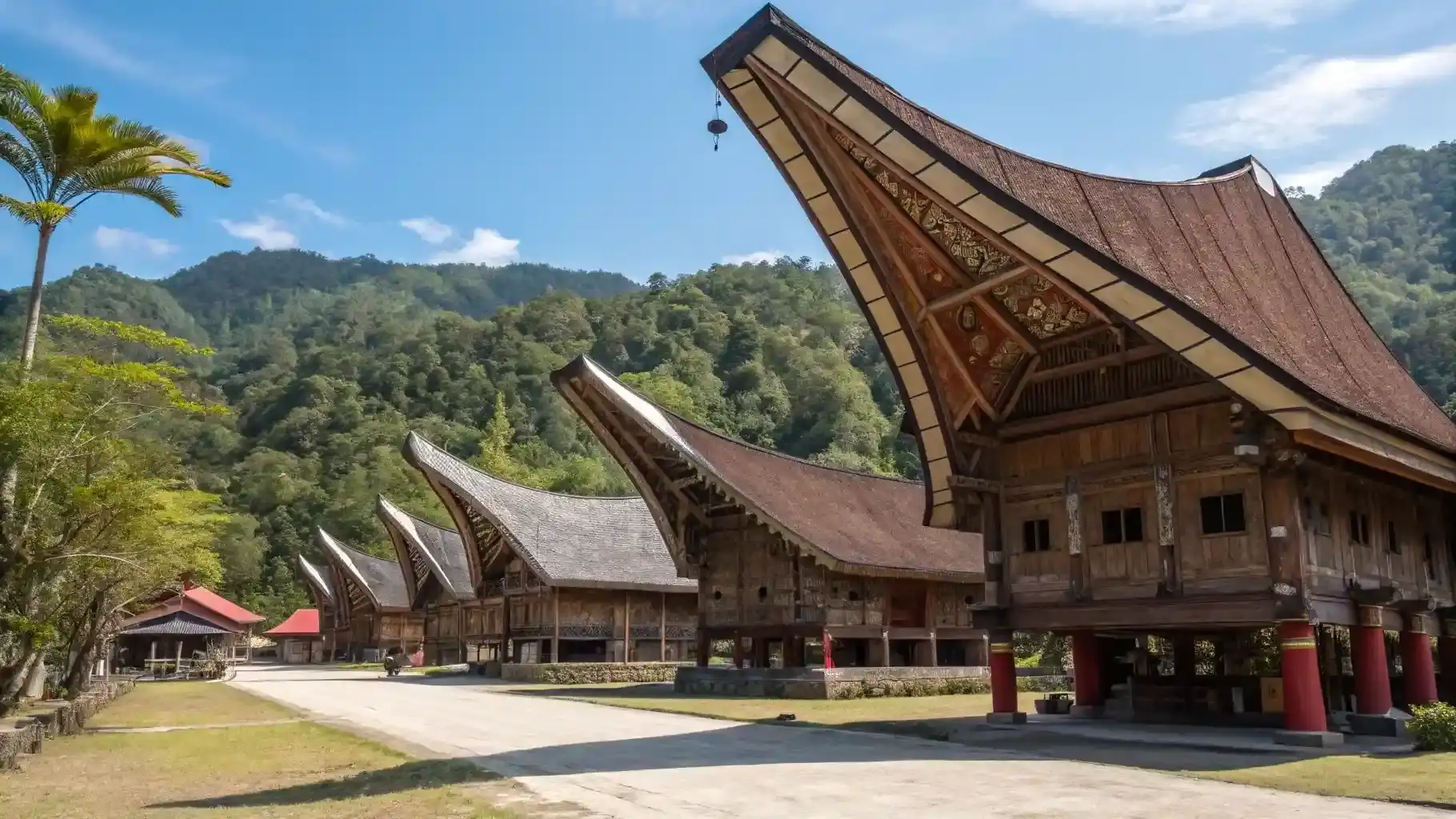
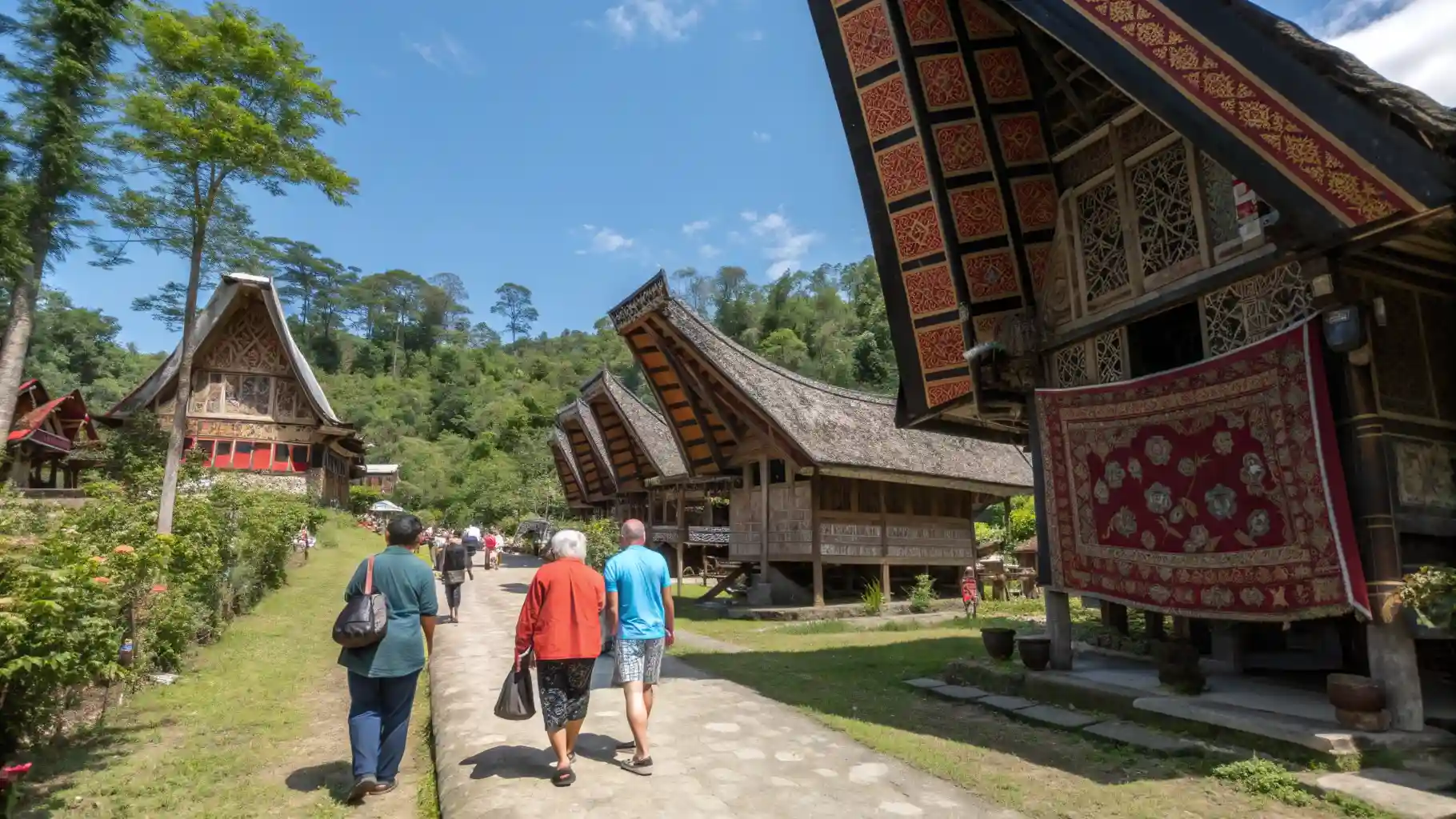
The most visited heritage village in Tana Toraja. Kete Kesu has a continuous row of traditional tongkonan houses facing an equally traditional row of rice barns (alang), with buffalo skulls and horns mounted on the façades — each skull representing a ceremony held by that household. Behind the village, a hillside of hanging graves and ancient burial caves contains tau-tau effigies and stacked coffins dating back centuries.

Kete Kesu heritage village and its row of tongkonan houses

Lemo Cliff Graves

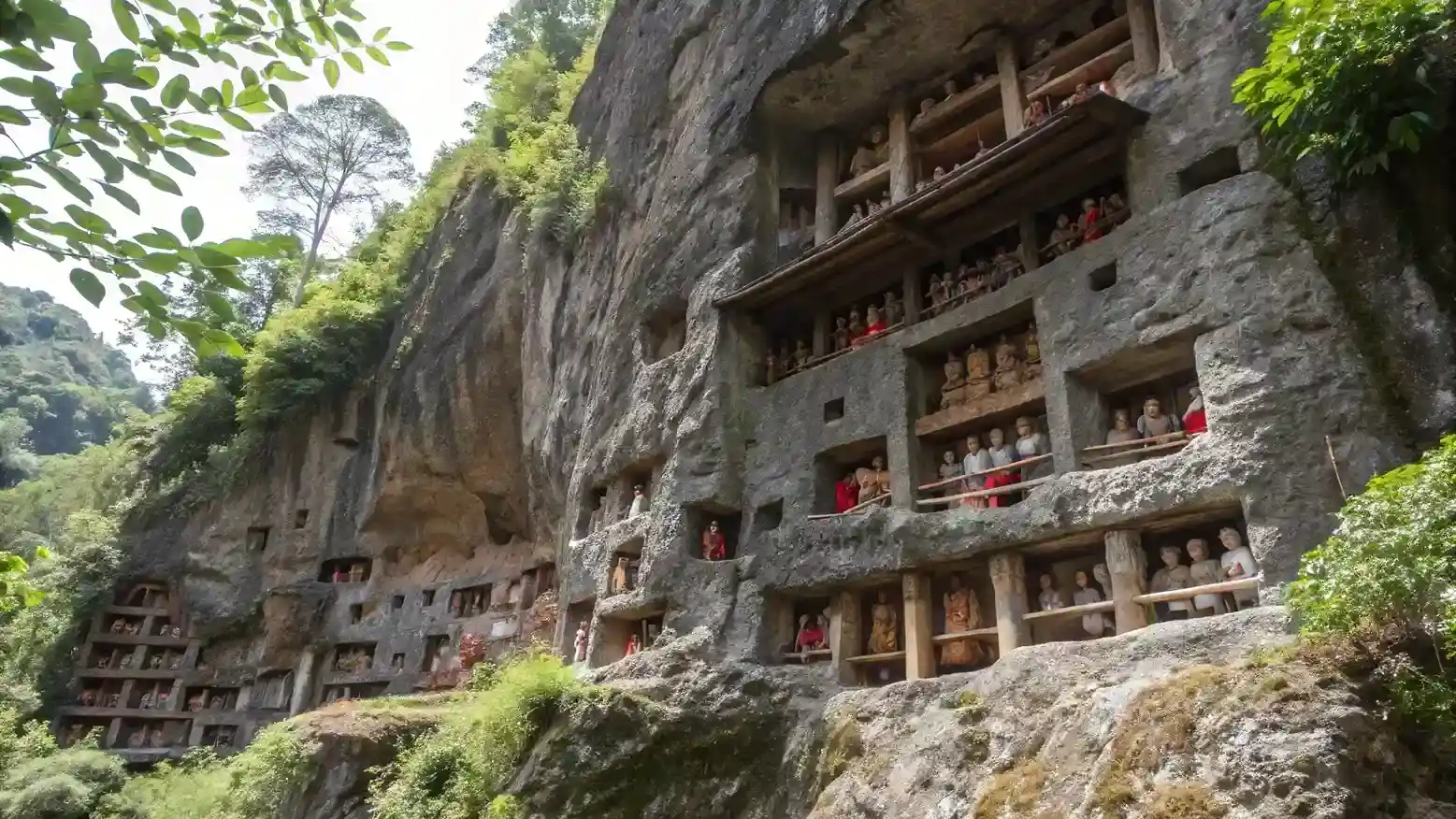
A sheer limestone cliff carved with dozens of burial alcoves. The most photographed Toraja site: rows of tau-tau effigies (life-size wooden figures carved in the likeness of the deceased) stand in open galleries in the rock face, dressed in real clothing and jewellery, facing the view they watched in life. Tau-tau are made only for those of noble birth and represent the ongoing presence of ancestors among the living.

Lemo cliff graves with rows of tau-tau effigies

Bori Kalimbuang

The most important ceremonial field in Tana Toraja. Menhir (vertical standing stones) have been planted here for generations — each one erected during a ma’bua ceremony to mark a family’s status. Over 100 menhir stand in the field today, some over three metres tall. The site is a World Heritage tentative list nomination and is considered sacred by local families.

Megalithic menhir standing in the Bori Kalimbuang ceremonial field

Sa’dan Weaving Village

Sa’dan is known throughout Indonesia for its traditional handwoven cloth. The distinctive Toraja textile (tedong, Sarita, and funeral cloths) is produced on backstrap looms by women who learned the patterns from their mothers. Visiting Sa’dan, you can watch the complete weaving process and speak with weavers about the symbolic meaning of traditional patterns.

Traditional backstrap-loom weaving in Sa’dan village

Batutumonga

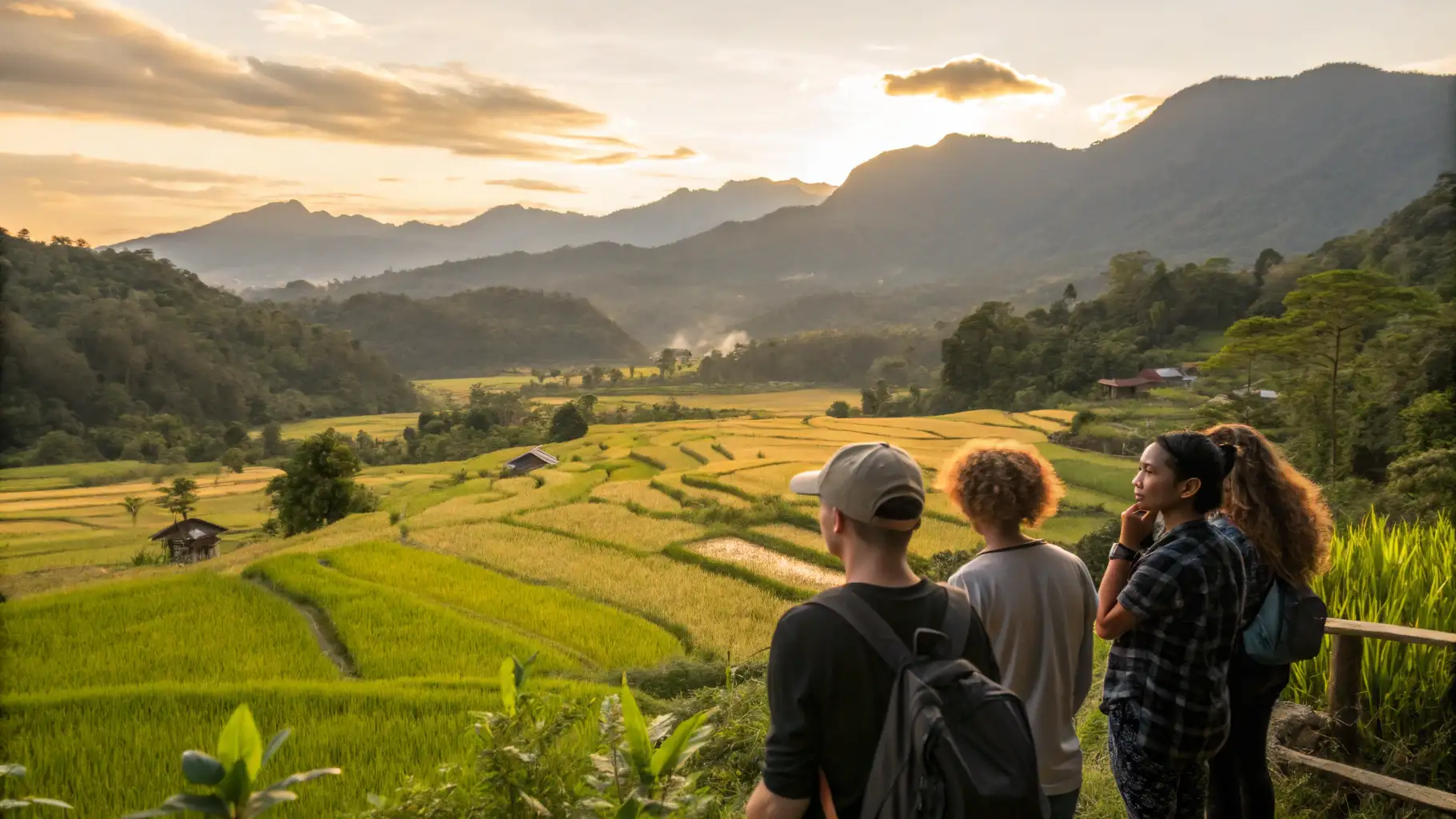
The highland viewpoint above Rantepao at approximately 1,400 metres. From Batutumonga you look down over the Sa’dan river valley, a patchwork of rice paddies, traditional villages, and forested ridgelines. The sunrise view is considered one of the finest in Sulawesi. Batutumonga is also the starting point for highland trekking routes connecting traditional villages with minimal tourist infrastructure.

View over the Sa’dan river valley from Batutumonga

Rambu Solo

The Toraja Funeral Ceremony (Rambu Solo)

The funeral ceremony is the most significant event in Toraja cultural life.

Months Or Years Of Preparation

Preparation may take months or years — families save money, organise family from across Indonesia and overseas, and build temporary bamboo ceremonial towers (rante) on the ceremonial field.

A Week-Long Ceremony

Funerals for high-status community leaders can last a week and involve the ritual sacrifice of dozens of water buffalo (the traditional measure of status and the animal that guides the soul of the deceased to the next world).

A Guest Of The Family

Visitors with a knowledgeable guide attend as respectful guests of the family, not as observers behind a rope. You will join the procession, sit alongside family members under the bamboo pavilions, watch traditional music and dance, and witness the full ceremonial sequence.

Every Element Explained

Your guide will explain each element — the significance of the buffalo horns displayed on the tongkonan, the role of the ma’badong chant, and the meaning of each stage of the ceremony.

Book a Tana Toraja Cultural Tour

Book a Tana Toraja Cultural Tour

All cultural tours are private, guided, and tailored to your travel dates and group size. Prices on request.