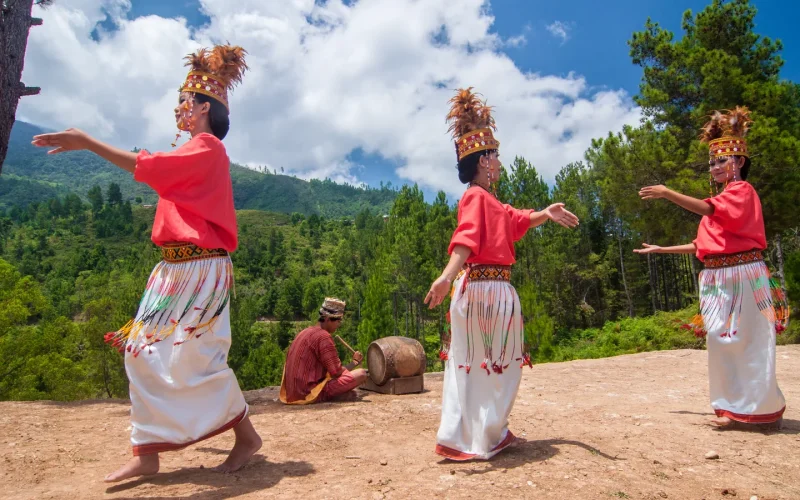
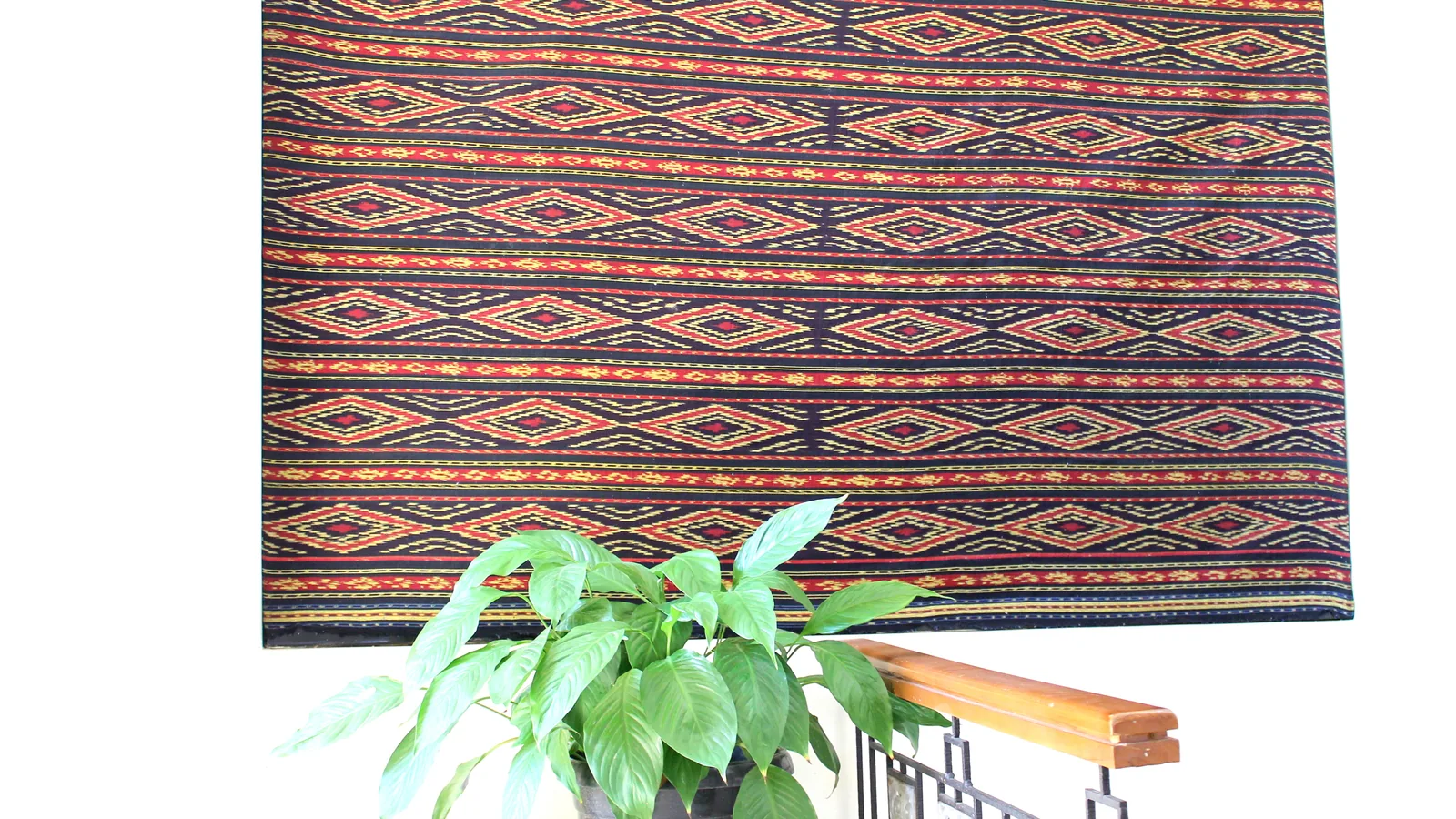
Sa’dan, a small village 20 kilometres north of Rantepao along the road toward Palopo, is the centre of traditional Toraja weaving. Here, women have practised backstrap loom weaving for generations, producing the distinctive geometric textiles that form part of Toraja ceremonial dress.
Toraja Weaving: The Basics
Torajan cloth (called ma’a or sarong) is woven on a simple backstrap loom, where the weaver sits on the ground with the loom anchored by a band around her back. The process is slow and deliberate — a single piece of cloth can take days or weeks depending on the complexity of the pattern.
Traditional Toraja textiles use geometric patterns that carry cultural and spiritual significance. The red-and-black colour combination is most traditional and is associated with ceremonial use. Natural dyes from plants and minerals were used historically; most contemporary weavers use commercial dyes.
Visiting the Village
Sa’dan is a working village, not a museum. Women weave in the shade of their houses and in covered community shelters. Visitors are welcome to watch, ask questions (via your guide), and purchase cloth directly from the weavers. Prices are fair — significantly less than you would pay for equivalent cloth in Makassar or Bali souvenir shops.
What to Buy
- Scarves: Smaller pieces suitable as wall decorations or wearable fashion items. Typically IDR 100,000–300,000.
- Sarong lengths: Full-length ceremonial cloth pieces. More expensive and more meaningful.
- Table runners and small decorative pieces: Available and popular with visitors.
Practical Information
- Location: 20 km north of Rantepao on the road to Palopo
- When to visit: Morning is best — weavers are most active before midday heat
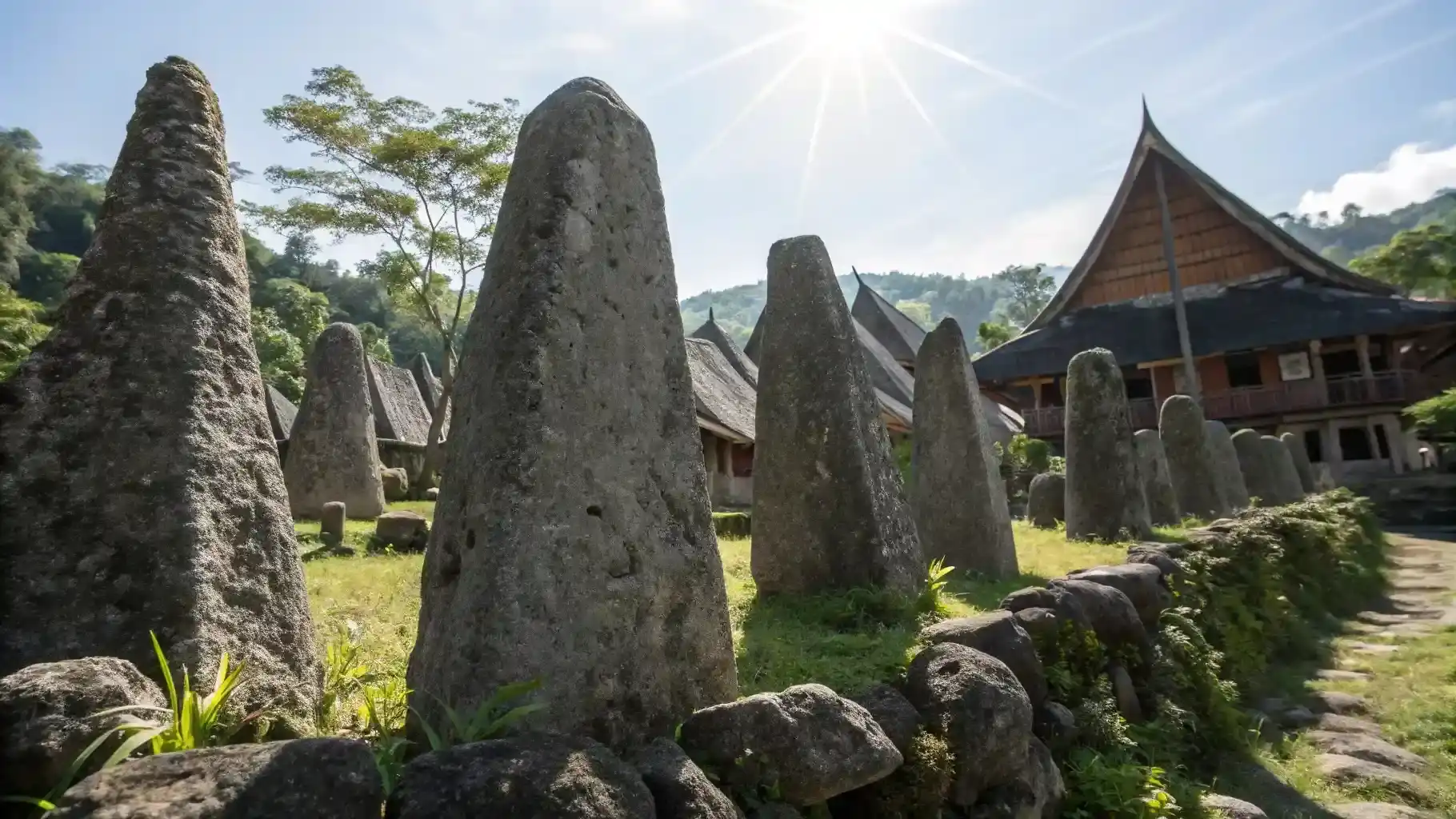
- Combine with: Bori Kalimbuang (nearby) and a highland drive toward Batutumonga
Travel times, flight schedules, opening conditions, ceremony dates and prices change. Confirm the details that matter to your trip when you enquire.